
Data Engineering
Databricks Data Migration for Mid-Market: A Step-by-Step Playbook
Introduction Most guides on this topic are written for enterprises with 30-person data engineering teams and dedicated platform architects. This...

GroupBWT provides Snowflake data migration services for enterprises moving legacy warehouses, ETL/ELT pipelines, reporting layers, and analytical workloads to Snowflake. We determine which logic to convert, redesign, or retire, then reconcile migrated data and business outputs against source systems before each cutover. Named business owners approve retirement of each relevant legacy reporting path.

Six core enterprise Snowflake migration services cover the program without treating every source or workload the same way.
The assessment confirms what should move, what should remain outside Snowflake, what blocks implementation, and how the program can be phased. It links scope to dependencies, acceptance needs, and cost assumptions.
We design the account, database, schema, role, and workload layout around the confirmed estate. Compute isolation, sizing, and placement follow expected cadence, concurrency, and access rather than a universal pattern.
Data moves in approved waves with retained-history rules, mapping, reconciliation, and restart conditions. The scope can include analytical databases, warehouses, files, cloud storage, APIs, and extracts from operational systems.
GroupBWT traces schedules, procedures, transformations, and dependencies before deciding what to convert, redesign, or retire. Pipelines move in waves so failed validation does not compromise the whole program.
GroupBWT reconnects dashboards and reports to the approved Snowflake model, then tests the business definitions and refresh behavior behind them. A technically successful load does not pass if users receive different numbers.
Each wave is checked for structure, completeness, business rules, metrics, reports, and downstream behavior. Cutover follows named acceptance, while handover records ownership, monitoring, and operating decisions.
The migration inventory covers six connected asset groups. The assessment confirms which assets belong in Snowflake and which workloads should remain on operational or latency-sensitive platforms.
Data and History
Structured, semi-structured, and historical data move under agreed retention, mapping, and completeness rules.
Warehouses and Marts
Data warehouses, analytical databases, and data marts move only when their workloads fit the target boundary.
Pipelines and Procedures
ETL jobs, ELT pipelines, stored procedures, schedules, and dependencies are converted, redesigned, retired, or retained by decision.
Reports and Metrics
BI reports, dashboards, datasets, and business metrics are reconnected and validated against accepted definitions.
Access and Governance
Access controls, governance rules, ownership, and lineage are mapped into the target operating model.
Models and Business Logic
Data models, schemas, transformations, and business logic move with the evidence needed to confirm equivalent outputs.
Migration is justified when data, logic, pipelines, or reporting dependencies need a new analytical path. Platform preference alone is not enough.
New sources, models, or reporting needs require fragile workarounds, long release cycles, or manual intervention. Migration becomes a way to remove an analytical bottleneck rather than copy the same constraints into a new platform.
Teams operate overlapping warehouses, databases, file drops, or departmental marts that produce different answers. A migration can consolidate the agreed analytical estate while preserving systems that still serve a valid operational purpose.
Pipelines, procedures, schedules, and manual steps make the current path difficult to change or support. The move must recover those dependencies before transformation logic is converted or redesigned.
Dashboards or reports rely on undocumented metric definitions, duplicate datasets, or brittle refreshes. Migration should restore a controlled source-to-report path, not merely reconnect a BI tool to new tables.
The existing platform cannot support the required data volume, concurrency, history, or governed access for planned analytical work. Assessment separates workloads that fit Snowflake from transactional or low-latency serving needs that do not.
A data-center exit, license renewal, merger, or platform retirement can force a cutover window. The deadline must be translated into waves, acceptance owners, coexistence needs, and explicit fallback conditions.
These failure modes can delay acceptance or leave the new platform producing the wrong output.
A load can finish without an error while records, history, or required fields are missing. Job success does not prove completeness.
Reports may depend on undocumented procedures, schedules, manual steps, or exceptions. If these surface after estimates and mappings are finalized, scope and dates change.
The target can calculate revenue, inventory, margin, or customer metrics differently from the legacy path. Structural parity does not protect the business definition.
A report may reconnect successfully but refresh at the wrong time, omit an exception, or reach consumers before validation. The result is operational disruption despite a technically live platform.
Roles and approvals added at the end can block users or expose data beyond the agreed boundary. Access must be designed and tested with the target model.
Warehouse sizing, cadence, concurrency, and old-and-new overlap drive Snowflake consumption. If these assumptions remain implicit, the operating model can miss the buyer’s cost boundary.

The assessment turns an estate with uncertain scope into four fundable decisions. It does not promise build-ready certainty when source access or business ownership is missing.
01
What Should Move - and What Should Stay
The scope inventory covers data, history, pipelines, procedures, reports, access, and consumers. Workloads that require transactional behavior, low-latency serving, or uneconomic movement are documented outside the target boundary.
02
Whether the Program Is Ready to Build
Readiness depends on source access, dependency visibility, decision owners, representative data, and acceptance needs. Missing prerequisites become named entry conditions instead of risks hidden inside an estimate.
03
How the Migration Will Be Phased and Funded
The roadmap records waves, dependencies, resourcing, and any parallel-run assumptions. The estimate connects delivery effort and initial consumption assumptions to volume, cadence, concurrency, old-and-new overlap, and workload exclusions.
04
What Must Be Accepted Before Cutover
Acceptance criteria cover critical datasets, priority reports, business metrics, and affected outputs, with named decision owners. A recorded legacy walkthrough preserves report meaning, undocumented rules, and SME steps. Detailed runbooks and tested fallback procedures follow during implementation.
Migration path: Legacy Sources → Mapping → Pipelines → Snowflake → Semantic/BI → Consumers
Controls across the path: Security, Governance, Observability, Cost, and Acceptance
What changes during migration:
Control before cutover:
Sources, owners, access constraints, history, and dependencies
Access and retained history are confirmed
Schedules, transformations, procedures, and orchestration
Dependencies and restart behavior are tested
Databases, schemas, tables, stages, and workload boundaries
Target structures match the approved mapping
Roles, permissions, approval paths, and access testing
Named users and roles pass access checks
Reports, dashboards, datasets, and metric definitions
Priority outputs match accepted definitions
Completeness, business rules, refreshes, and acceptance
Failed checks block the relevant wave
Parallel operation, cutover conditions, and retirement
Owners approve retirement of each legacy path
Source Systems
What changes during migration
Control before cutover
Ingestion / ETL / ELT
What changes during migration
Control before cutover
Target Snowflake Model
What changes during migration
Control before cutover
Roles and Access
What changes during migration
Control before cutover
BI / Semantic Layer
What changes during migration
Control before cutover
Validation and Monitoring
What changes during migration
Control before cutover
Legacy Coexistence
What changes during migration
Control before cutover
Criteria and tolerances are set for the project. A threshold from one delivered system is not reused as a universal migration standard.
What we test:
Acceptance evidence:
Target structures, formats, null handling, and required fields
Approved source-to-target mapping
Expected records, retained history, and missing-data conditions
Reconciliation result for the wave
Converted logic, exceptions, and calculation behavior
Rule-level test results
Priority metrics, dashboards, refreshes, and filters
Named owner approval of agreed outputs
Permissions, restricted data, and approval paths
User and role test record
Exports, applications, models, and other dependent outputs
Consumer-side validation result
All agreed checks and unresolved exceptions
Named business-owner decision before cutover
Schema and data types
What we test
Acceptance evidence
Record counts and completeness
What we test
Acceptance evidence
Transformations and business rules
What we test
Acceptance evidence
Business metrics and reporting
What we test
Acceptance evidence
Roles and access
What we test
Acceptance evidence
Downstream consumers
What we test
Acceptance evidence
Cutover acceptance
What we test
Acceptance evidence
Implementation moves one controlled wave at a time. The sequence keeps reconciliation, business acceptance, and operational ownership inside delivery rather than treating them as post-project checks.
GroupBWT combines delivered Snowflake data-product experience with explicit migration boundaries, client-controlled acceptance, and readiness decisions. The evidence below is project-specific and is not presented as a universal migration guarantee.
Delivered Snowflake Data Product
On a delivered Snowflake data product, 24 source applications were mapped into four normalized tables and distributed through Snowflake Data Share. The result demonstrates governed Snowflake delivery across a multi-source data landscape.
Project-Specific Quality Evidence
Recipient-side validation used project-approved criteria of at least 98% accuracy and at least 95% daily completeness. These were engagement-specific acceptance thresholds, not standard guarantees for every migration.
Boundaries Before Build
GroupBWT identifies transactional, serving, latency-sensitive, or uneconomic workloads that should remain outside Snowflake. As a Snowflake migration provider, we focus the target boundary on the analytical estate instead of recommending that every workload move.
Acceptance Beyond a Successful Load
A successful load does not close a migration. Each wave is reconciled across data structures, business rules, priority reports, and downstream outputs before the related legacy path is eligible for retirement.
Client-Controlled Acceptance
Named client owners retain approval authority for cutover and retirement. GroupBWT supplies the agreed evidence and delivery artifacts, while the client decides when outputs are accepted and the legacy path can close.
A Readiness Decision, Not a Forced Build
A recommendation can be go, conditional-go, or not-ready. When source access, ownership, or other entry conditions are missing, GroupBWT records the blocker and what must change before that wave enters implementation.
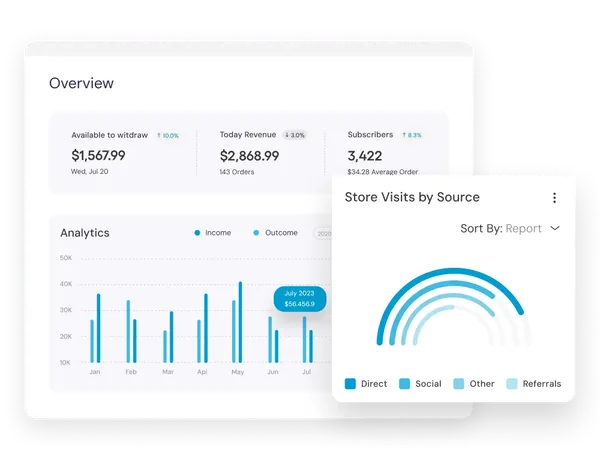
Ledger, transaction, risk, and management datasets can have different close calendars, retention rules, and approval owners. Sequencing should preserve controlled reporting while named owners validate agreed financial outputs before cutover.
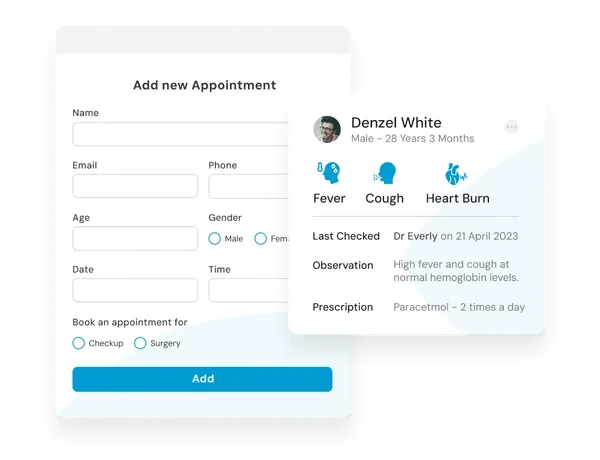
Clinical, operational, claims, and reporting datasets can carry different privacy, access, and retention constraints. Migration waves should follow approved access boundaries and validate priority outputs before a legacy path is retired.
Shipment, route, fleet, warehouse, and partner data can arrive at different cadences. Wave planning should protect dispatch and service reporting while owners reconcile the agreed operational metrics.
Product events, billing, support, customer, and infrastructure data often evolve independently. Migration sequencing should preserve critical analytical feeds and validate the metrics used for product, revenue, and customer decisions.
Duration depends on the confirmed estate, dependencies, access, validation depth, and cutover boundary. A credible plan uses four phases rather than a fixed promise before discovery.
01
Assessment
The team inventories sources, logic, reports, access, consumers, and workload constraints. The output is a scope boundary, readiness decision, wave plan, acceptance approach, and estimate based on known conditions.
02
Representative Wave
A meaningful source-to-output path tests the target design, conversion pattern, reconciliation method, and business acceptance process. Findings can change later wave estimates before the program scales.
03
Multi-Wave Migration
Datasets, pipelines, procedures, reports, roles, and consumers move in controlled groups. The number and duration of waves depend on dependency density, retained history, parallel operation, and the speed of owner decisions.
04
Cutover and Handover
The final phase completes accepted cutovers, initial tuning, monitoring, documentation, and ownership transfer. Retirement timing follows evidence and business approval, not the date code first runs in Snowflake.
Related Data Services
Design or rebuild the warehouse layer when the target requires new models, schemas, or governed data structures.
Assess architecture, workload fit, governance, and operating decisions before implementation begins.
Validate structures, data quality, business rules, performance, and downstream behavior against agreed criteria.
Review pipeline logic, orchestration, dependencies, and ownership before conversion or redesign.
Move or redesign ETL/ELT pipelines when the current path cannot support the target architecture.
Reconnect reports, rebuild semantic logic, and validate business metrics after the data path changes.










What Our Clients Say

What do you like best?
Their deep understanding of our needs and how to craft a solution that provides more opportunities for managing our data. Their data solution, enhanced with AI features, allows us to easily manage diverse data sources and quickly get actionable insights from data.
What do you dislike?
It took some time to align the a multi-source data scraping platform functionality with our specific workflows. But we quickly adapted and the final result fully met our requirements.

What do you like best?
It was incredible how they could build precisely what we wanted. They were genuine experts in data scraping; project management was also great, and each phase of the project was on time, with quick feedback.
What do you dislike?
We have no comments on the work performed.

What do you like best?
GroupBWT is the preferred choice for competitive intelligence through complex data extraction. Their approach, technical skills, and customization options make them valuable partners. Nevertheless, be prepared to invest time in initial solution development.
What do you dislike?
GroupBWT provided us with a solution to collect real-time data on competitor micro-mobility services so we could monitor vehicle availability and locations. This data has given us a clear view of the market in specific areas, allowing us to refine our operational strategy and stay competitive.

What do you like best?
The company's dedication to understanding our needs for collecting competitor data was exemplary. Their methodology for extracting complex data sets was methodical and precise. What impressed me most was their adaptability and collaboration with our team, ensuring the data was relevant and actionable for our market analysis.
What do you dislike?
Finding a downside is challenging, as they consistently met our expectations and provided timely updates. If anything, I would have appreciated an even more detailed roadmap at the project's outset. However, this didn't hamper our overall experience.

What do you like best?
GroupBWT excels at providing tailored data scraping solutions perfectly suited to our specific needs for competitor analysis and market research.
What do you dislike?
Given the complexity and customization of our project, we later decided that we needed a few additional sources after the project had started.
What do you like best?
What we liked most was how GroupBWT created a flexible system that efficiently handles large amounts of data. Their innovative technology and expertise helped us quickly understand market trends and make smarter decisions.
What do you dislike?
The entire process was easy and fast, so there were no downsides.
What do you like best?
Their deep understanding of our needs and how to craft a solution that provides more opportunities for managing our data. Their data solution, enhanced with AI features, allows us to easily manage diverse data sources and quickly get actionable insights from data.
What do you dislike?
It took some time to align the a multi-source data scraping platform functionality with our specific workflows. But we quickly adapted and the final result fully met our requirements.
What do you like best?
It was incredible how they could build precisely what we wanted. They were genuine experts in data scraping; project management was also great, and each phase of the project was on time, with quick feedback.
What do you dislike?
We have no comments on the work performed.
What do you like best?
GroupBWT is the preferred choice for competitive intelligence through complex data extraction. Their approach, technical skills, and customization options make them valuable partners. Nevertheless, be prepared to invest time in initial solution development.
What do you dislike?
GroupBWT provided us with a solution to collect real-time data on competitor micro-mobility services so we could monitor vehicle availability and locations. This data has given us a clear view of the market in specific areas, allowing us to refine our operational strategy and stay competitive.
What do you like best?
The company's dedication to understanding our needs for collecting competitor data was exemplary. Their methodology for extracting complex data sets was methodical and precise. What impressed me most was their adaptability and collaboration with our team, ensuring the data was relevant and actionable for our market analysis.
What do you dislike?
Finding a downside is challenging, as they consistently met our expectations and provided timely updates. If anything, I would have appreciated an even more detailed roadmap at the project's outset. However, this didn't hamper our overall experience.
What do you like best?
GroupBWT excels at providing tailored data scraping solutions perfectly suited to our specific needs for competitor analysis and market research.
What do you dislike?
Given the complexity and customization of our project, we later decided that we needed a few additional sources after the project had started.
What do you like best?
What we liked most was how GroupBWT created a flexible system that efficiently handles large amounts of data. Their innovative technology and expertise helped us quickly understand market trends and make smarter decisions.
What do you dislike?
The entire process was easy and fast, so there were no downsides.



What does a Snowflake migration include?
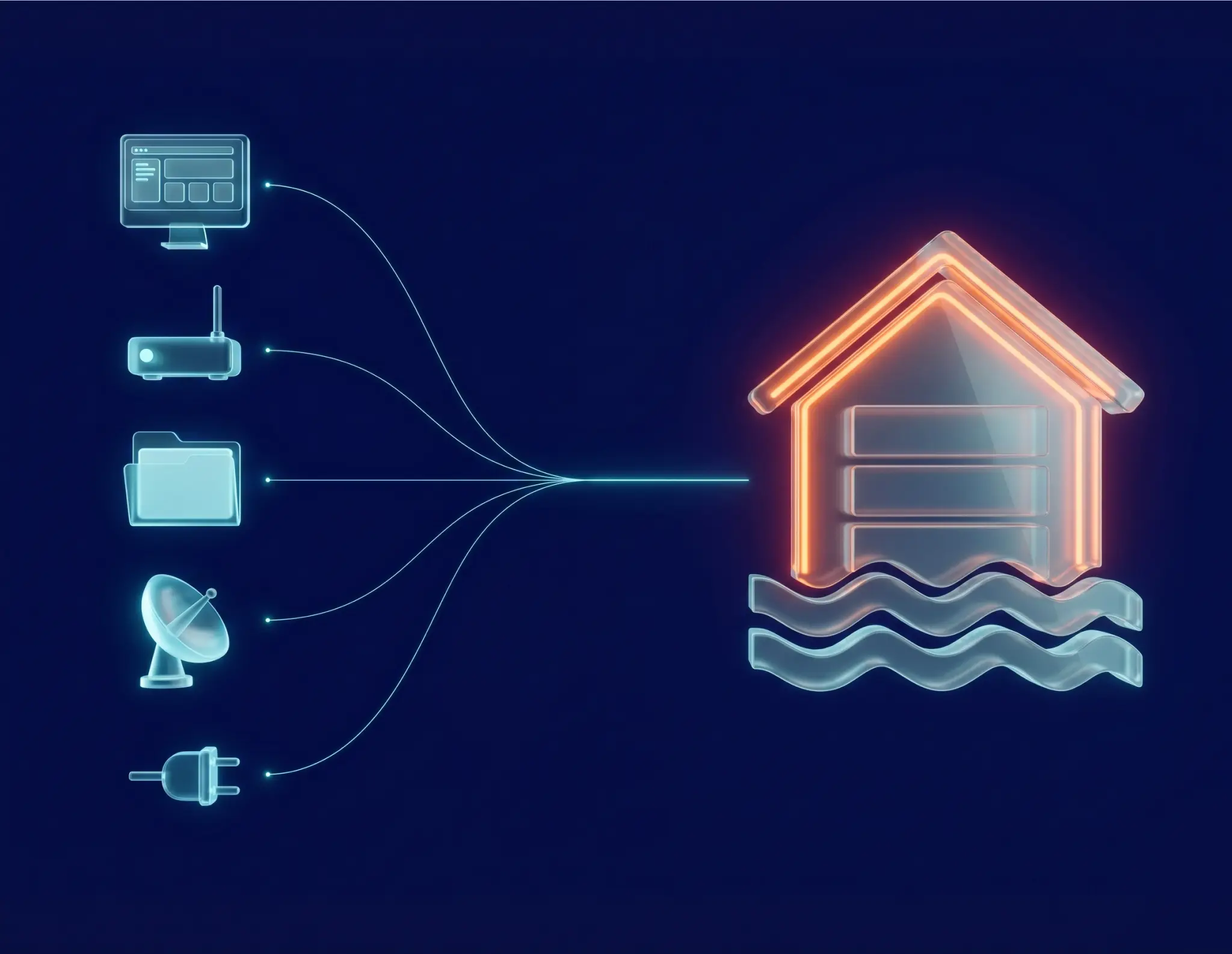
A Snowflake migration can include assessment, target design, historical data movement, ETL/ELT conversion, BI migration, validation, cutover, and handover. Scope depends on which data, logic, reports, and consumers must leave the legacy path. Each wave is accepted only after the agreed data and business outputs pass validation.
What sources can be migrated?
A program to migrate to Snowflake can start from analytical databases, legacy warehouses, files, APIs, cloud storage, and extracts from operational systems. Operational applications do not automatically move with their analytical history. The assessment identifies source access, dependencies, retained history, and workloads that should remain outside Snowflake.
What affects migration and Snowflake operating cost?
Delivery effort changes with source complexity, history, transformation logic, access redesign, validation depth, and overlap between legacy and Snowflake operation. Consumption depends on workload placement, data volume, refresh cadence, concurrency, and compute assumptions. Depending on the target design, controls may include warehouse sizing policies, auto-suspend settings, resource monitors, and workload-specific schedules.
How do you maintain reporting continuity?
Where reporting continuity requires it, the legacy and Snowflake paths can run in parallel until agreed outputs are accepted. Priority reports, refresh behavior, and downstream consumers are validated before the relevant legacy reporting path is retired. The exact continuity plan depends on business calendars, source behavior, and the cutover boundary.
Can existing pipelines and procedures be migrated?
Yes, when rules and dependencies can be recovered and the target design supports them. A pipeline, procedure, view, or transformation may be converted, redesigned, retired, or kept outside Snowflake. Mapping and approval come before implementation, so moving code does not silently change the business definition it supports. A data warehouse migration of this kind often runs across several waves.


How can we help you?

We’ll review your goals and suggest the right solution — technical, scalable, and tailored to you.
What do you need extracted, structured, or automated?