
Big Data
Decision‑Grade Reporting: The 2026 Overview for ETL and data warehousing
Decision-grade reporting is reporting you can defend under pressure: every critical KPI is reproducible, explainable, and auditable back to a...

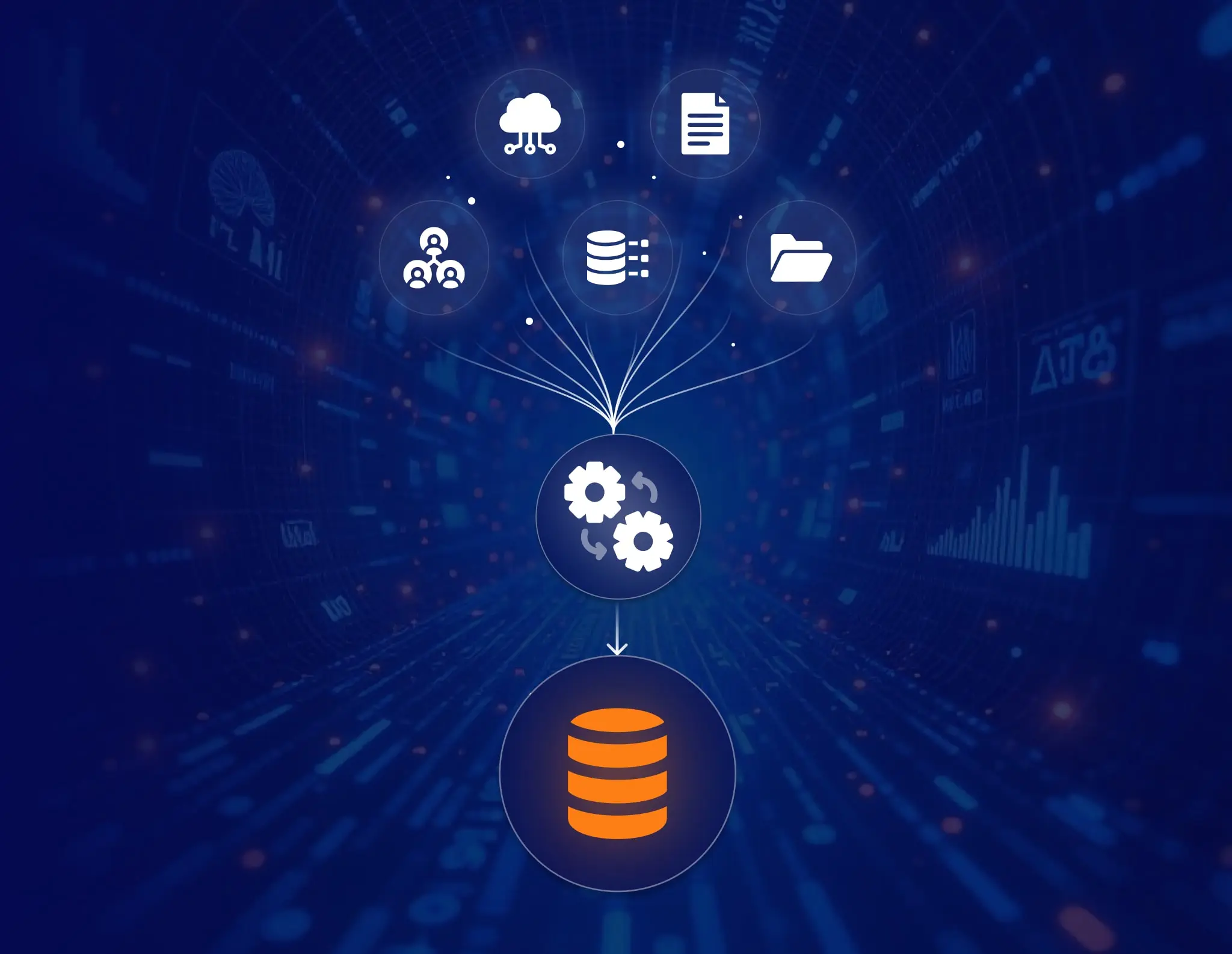
Our big data implementation services build pipelines and storage that supply checked data to your reports and operations. GroupBWT turns your design into a working system and transfers the agreed code and operating documentation at handover. Start with the system you need us to build or complete.



Our big data implementation consultants check unresolved source and workload decisions before your team commits them to pipelines and storage.
We can start from a selected architecture or an existing partial build. For the latter, we check what works and identify the missing components before planning development.
Source owners provide access and explain the records. Security constraints shape our rules for dates, currencies, identifiers, and totals.
We agree the handling of duplicates, late arrivals, failed jobs, and cloud consumption before the system runs. An unresolved workload assumption needs a bounded test before becoming a production dependency.
Where existing processes must continue, testing runs alongside them. The release plan specifies which differences between old and new outputs block cutover and who authorizes the switch.
Our big data implementation services & solutions connect primary-data collection with the analytical datasets your team uses, with monitoring and documentation for the components we build.
We connect approved business systems, databases, web sources, and external APIs. Source limits and processing windows determine how those connections run alongside existing operations. Field mappings define which records reach the platform.
Required update speed guides the processing mode. We configure scheduled files and incoming events to handle late arrivals and repeated records. Cleaned, aligned fields give downstream teams one structure to work with.
Your queries guide storage and schema design. Where supported, we separate compute from storage so query capacity can change independently. Historical records and update rules determine whether reports show current or past positions.
We put agreed completeness checks, duplicate detection, and business-rule checks into the processing path. Failed records can be held for investigation rather than silently entering a report. Access controls follow your approved policy, with traceable source references where the design requires them.
A dashboard reads checked reporting-layer data, without performing the source transformations again. Machine-learning workloads may consume the same datasets. For the analysis or model receiving the feed, we agree fields, history, and refresh frequency with its team.
Your team can identify a late or stopped pipeline in monitoring and follow the response instructions. Handover includes the pipeline-health monitoring and delay alerts configured in scope, together with the agreed code and instructions. Continued incident handling follows the support agreement.

Specialist Work Around the Data Platform
A Databricks pipeline writes source records, checked data, and reporting outputs to separate Delta Lake layers we build. A report uses approved calculations from the shared data layer; we do not make it hold another copy of the formulas.
Your Snowflake account receives structured datasets through the ingestion and transformation flows we build. For Data Share delivery, the integration specifies the records and updates supplied, and consumers access that shared dataset through Snowflake.

As a big data implementation company, GroupBWT estimates the build after reviewing source access, representative data, and dependencies. New connectors, historical backfills, transformation complexity, and batch versus streaming requirements affect the work. We confirm the schedule against those tasks and release tests, not a standard platform duration.
Available source-system processing windows and required outputs set the sequence for big data solutions implementation; our development and testing follow those real-life operating conditions.
01
Check Figures Against Source Transactions
We compare dashboard and storage figures with primary source transactions using the agreed totals and rules. Differences need an explanation. Your data owner accepts the result against the agreed tolerance.
02
Check Recovery After a Connection Failure
A recovery test starts when we disconnect the source or network. Restoring the connection lets us check the restart point for missing or duplicate records. Your platform owner reviews the result against the agreed recovery conditions.
03
Check Access and Personal-Data Masking
We try allowed and refused access to check the supplied security policy. For designs using personal-data masking, we test field visibility role by role. Failed checks, including unauthorized access, go to your security owner before acceptance.
04
Check the Processing Window and Budget
We run scheduled procedures and analytical queries against the agreed processing window and cloud budget. A service-level agreement applies where the contract defines one. The test results show whether the workload meets those operating conditions.
These illustrative patterns show how we separate a supported connector’s job from the custom processing needed around it; they are not client results.
Standard connection:
Custom implementation:
Retrieve the fields and updates the API exposes.
GroupBWT adds mappings and checks where the source format differs from the reporting model.
Load files through the supported file-transfer route.
We parse different column layouts and align product, country, currency, and sales fields.
Transfer records from each approved business system.
We implement matching rules and route uncertain matches for review where the design requires it.
Supply records to the selected reporting platform.
We build reusable calculations outside individual dashboards when several reports need the same definitions.
Stable source API
Standard connection
Custom implementation
Changing retailer files
Standard connection
Custom implementation
Conflicting customer records
Standard connection
Custom implementation
Shared reporting figures
Standard connection
Custom implementation
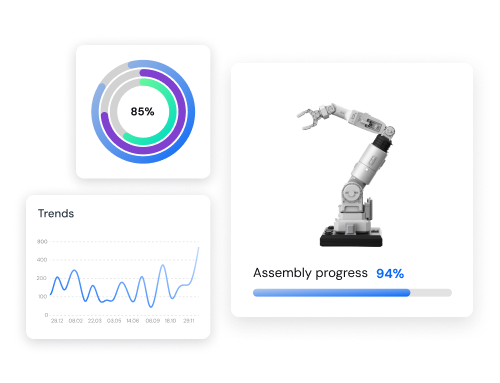
We connect approved production, quality, maintenance, and supplier records to the data platform. Plant teams can then compare operational information in one reporting structure. Batch or streaming feeds follow the processing windows and recovery requirements agreed for the plant.
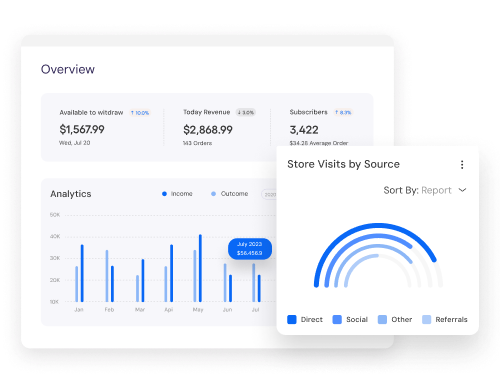
Approved transaction, account, risk, and reporting sources feed the monitored pipelines we connect. We reconcile the figures supplied against source totals agreed with your team. Your business definitions govern the financial calculations; the access controls apply the policy approved by your security owners.
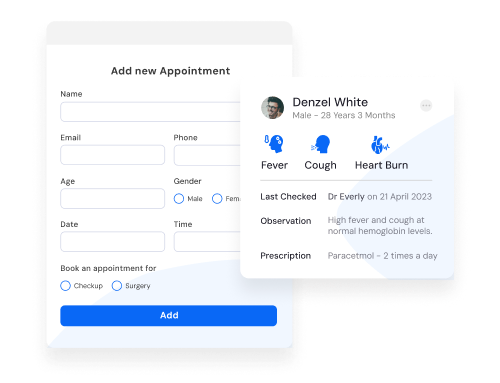
Clinical, operational, billing, and service records feed our pipelines where approved. Your legal and compliance teams decide the classification and permitted use. We apply those decisions through processing, access, and monitoring controls in the agreed deployment architecture.
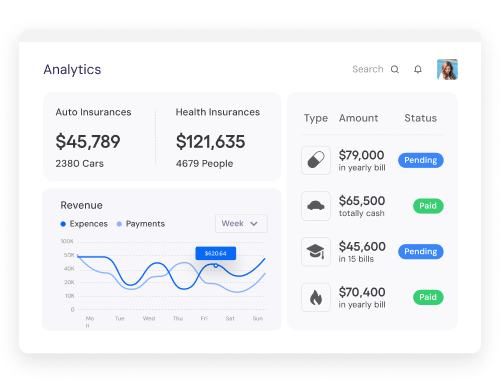
Policy, claims, billing, and service records need stable references across updates. We implement the ingestion and processing rules that preserve those references. With the configured monitoring and recovery instructions, operating teams investigate a failed feed and restore its processing.
As a big data implementation provider, GroupBWT has built reusable reporting layers, extended client-owned warehouses, and connected conflicting customer records.
Reporting Logic Beyond the Dashboard
GroupBWT took more than 40 portfolio KPI calculations out of an investment firm’s Power BI reports and placed them in its governed data layer. Because the definitions are documented and reusable, a change of BI tool does not require the firm to recreate its reporting calculations.
Delivery Inside the Client's Stack
For a cosmetics manufacturer, GroupBWT extended the existing warehouse through production pipelines in the client’s repositories and deployment process. Retailer files arrived in different layouts; a common record model let sales and marketing compare the resulting data across markets.
Reviewable Matches Across Systems
For a European bank, the Customer 360 layer GroupBWT built connected customer-management, banking, servicing, and support systems. Uncertain matches went to a data steward for review rather than being merged silently, while the unified profile supported a delivered churn-risk model.
What Our Clients Say

What do you like best?
Their deep understanding of our needs and how to craft a solution that provides more opportunities for managing our data. Their data solution, enhanced with AI features, allows us to easily manage diverse data sources and quickly get actionable insights from data.
What do you dislike?
It took some time to align the a multi-source data scraping platform functionality with our specific workflows. But we quickly adapted and the final result fully met our requirements.

What do you like best?
It was incredible how they could build precisely what we wanted. They were genuine experts in data scraping; project management was also great, and each phase of the project was on time, with quick feedback.
What do you dislike?
We have no comments on the work performed.

What do you like best?
GroupBWT is the preferred choice for competitive intelligence through complex data extraction. Their approach, technical skills, and customization options make them valuable partners. Nevertheless, be prepared to invest time in initial solution development.
What do you dislike?
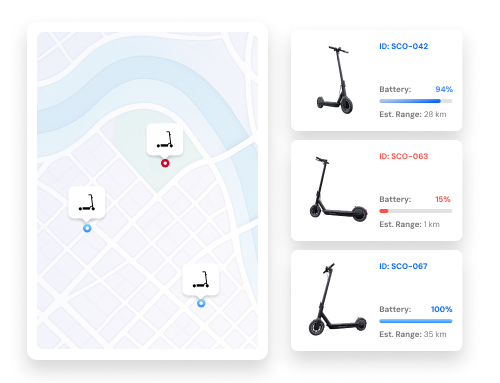
GroupBWT provided us with a solution to collect real-time data on competitor micro-mobility services so we could monitor vehicle availability and locations. This data has given us a clear view of the market in specific areas, allowing us to refine our operational strategy and stay competitive.

What do you like best?
The company's dedication to understanding our needs for collecting competitor data was exemplary. Their methodology for extracting complex data sets was methodical and precise. What impressed me most was their adaptability and collaboration with our team, ensuring the data was relevant and actionable for our market analysis.
What do you dislike?
Finding a downside is challenging, as they consistently met our expectations and provided timely updates. If anything, I would have appreciated an even more detailed roadmap at the project's outset. However, this didn't hamper our overall experience.

What do you like best?
GroupBWT excels at providing tailored data scraping solutions perfectly suited to our specific needs for competitor analysis and market research.
What do you dislike?
Given the complexity and customization of our project, we later decided that we needed a few additional sources after the project had started.
What do you like best?
What we liked most was how GroupBWT created a flexible system that efficiently handles large amounts of data. Their innovative technology and expertise helped us quickly understand market trends and make smarter decisions.
What do you dislike?
The entire process was easy and fast, so there were no downsides.
What do you like best?
Their deep understanding of our needs and how to craft a solution that provides more opportunities for managing our data. Their data solution, enhanced with AI features, allows us to easily manage diverse data sources and quickly get actionable insights from data.
What do you dislike?
It took some time to align the a multi-source data scraping platform functionality with our specific workflows. But we quickly adapted and the final result fully met our requirements.
What do you like best?
It was incredible how they could build precisely what we wanted. They were genuine experts in data scraping; project management was also great, and each phase of the project was on time, with quick feedback.
What do you dislike?
We have no comments on the work performed.
What do you like best?
GroupBWT is the preferred choice for competitive intelligence through complex data extraction. Their approach, technical skills, and customization options make them valuable partners. Nevertheless, be prepared to invest time in initial solution development.
What do you dislike?
GroupBWT provided us with a solution to collect real-time data on competitor micro-mobility services so we could monitor vehicle availability and locations. This data has given us a clear view of the market in specific areas, allowing us to refine our operational strategy and stay competitive.
What do you like best?
The company's dedication to understanding our needs for collecting competitor data was exemplary. Their methodology for extracting complex data sets was methodical and precise. What impressed me most was their adaptability and collaboration with our team, ensuring the data was relevant and actionable for our market analysis.
What do you dislike?
Finding a downside is challenging, as they consistently met our expectations and provided timely updates. If anything, I would have appreciated an even more detailed roadmap at the project's outset. However, this didn't hamper our overall experience.
What do you like best?
GroupBWT excels at providing tailored data scraping solutions perfectly suited to our specific needs for competitor analysis and market research.
What do you dislike?
Given the complexity and customization of our project, we later decided that we needed a few additional sources after the project had started.
What do you like best?
What we liked most was how GroupBWT created a flexible system that efficiently handles large amounts of data. Their innovative technology and expertise helped us quickly understand market trends and make smarter decisions.
What do you dislike?
The entire process was easy and fast, so there were no downsides.











How Does GroupBWT Take the Build Through to Handover?
We connect the engineering work with its acceptance and handover requirements. We build the components agreed for your environment and test them against the operating conditions set before development. Release approval follows your appointed owners’ review of the test results. The handover gives your team its agreed project assets and responsibilities.
Which Operating Assets Does Your Team Receive at Handover?
We agree before development which pipeline code and deployment scripts your repository will receive. We can document architecture, field definitions, operating instructions, and incident-response procedures under the agreement. The agreed transfer covers assets created or configured in scope, with third-party service and license terms unchanged. Workshops prepare the agreed operating team; continued support needs its own scope.
Who Handles Engineering and Who Gives Approval?
Code quality, query optimization, test automation, and the agreed deployment work are our engineers’ responsibilities. Your team owns source access and business metric rules. The policy is approved by your security owners and enforced through our technical controls. Unless assigned differently by contract, your appointed owners accept the system and approve release.
How Are New Source Requirements Handled?
We review how a new source requirement changes the architecture or pipeline configuration. That review identifies which connections, transformations, or tests need to change. Before changing the work, both sides agree any effect on budget and schedule. The revised build and its acceptance checks then follow that agreement.
What Has to Pass Before Cutover?
We collect the data, recovery, access, and workload test results required by the release plan. Where parallel operation is used, we also compare outputs from the old and new paths. Results outside the acceptance conditions, or an unresolved failure covered by them, stop cutover. Your release owner approves the switch on that evidence.


How can we help you?

We’ll review your goals and suggest the right solution — technical, scalable, and tailored to you.
What do you need extracted, structured, or automated?