
Data Engineering
Databricks Data Migration for Mid-Market: A Step-by-Step Playbook
Introduction Most guides on this topic are written for enterprises with 30-person data engineering teams and dedicated platform architects. This...

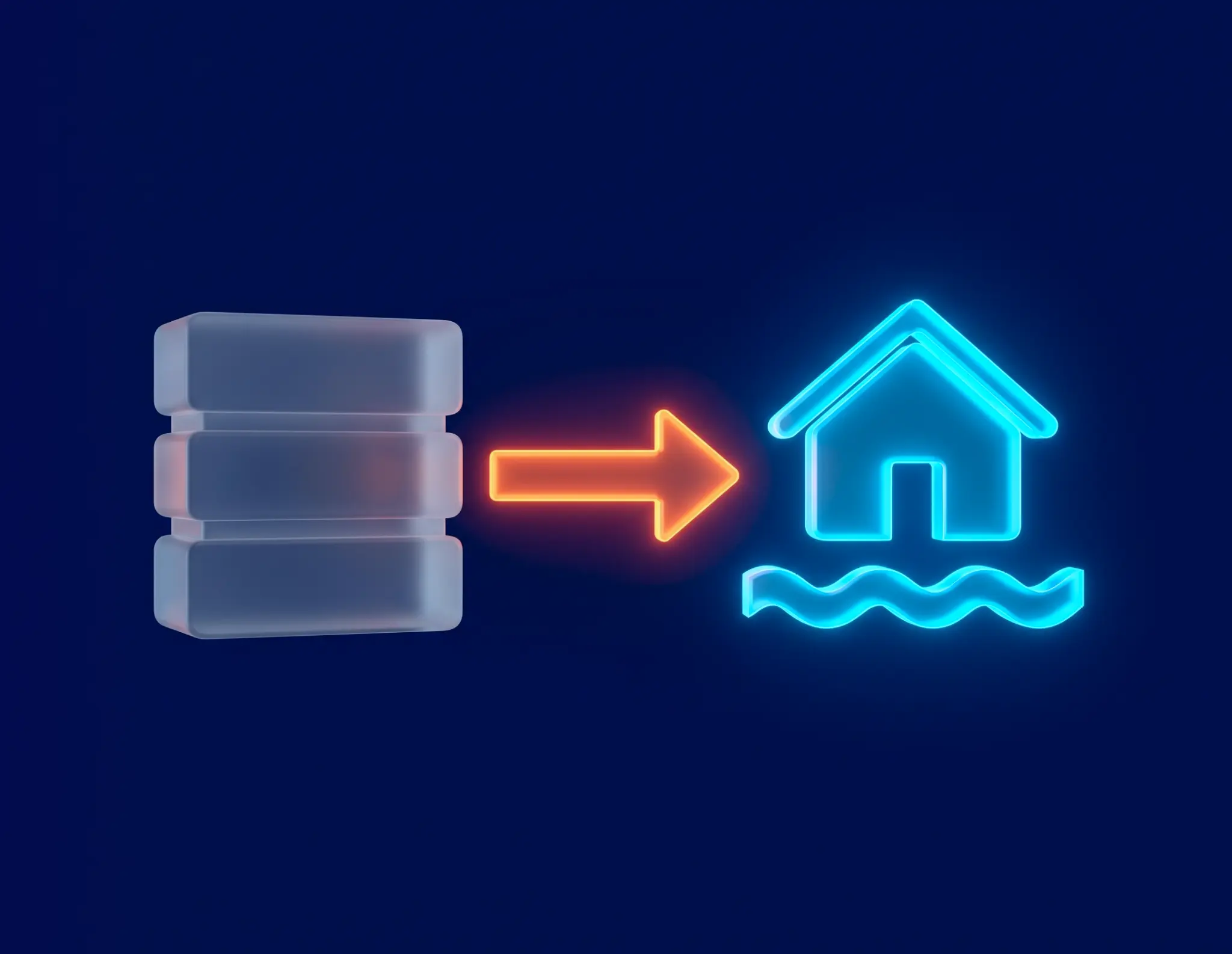
Migrate legacy warehouses, data lakes, Spark workloads, pipelines, governance, and reporting dependencies to Databricks with reconciliation, controlled cutover, and production handover. As your Databricks migration partner, GroupBWT plans and delivers the agreed move, while our Databricks migration services validate the business outputs your teams rely on.







Legacy platforms usually expose the problem through reporting delays, disputed numbers, fixed infrastructure costs, and fragmented access rules.
Critical data logic lives with one engineer. If they leave, daily reports can fail and the rest of the team may not know how to restore them.
Different departments receive conflicting numbers. Teams spend hours checking spreadsheets and tracing calculations instead of using the reports to make decisions.
Database servers run through nights, weekends, and holidays even when demand is low. The business keeps paying for provisioned capacity that sits unused.
The current platform handles structured tables but struggles with PDFs, images, and text logs. This limits the data available for approved AI and machine learning work.
Keeping more history forces the company to buy additional compute and storage together. Capacity grows around the platform’s limits rather than actual workload demand.
User access is managed across several systems with different rules. This makes permissions harder to review and creates more work during security audits.
Related End-to-End Data Services
Reconnect dashboards to governed Databricks data and keep business reporting usable during and after migration.
Redesign warehouse structures for Databricks when legacy schemas, history, or reporting logic cannot move unchanged.
Rebuild permissions, ownership, lineage, and audit controls for governed Databricks access before release.
Rebuild ingestion and transformation flows that keep Databricks tables and downstream analytics current.
Build the ingestion, storage, and governed lakehouse layers that migrated data needs on Databricks.
Extend the migration with pipelines, quality controls, and production support for the Databricks platform.
The Databricks migration solutions below cover the source systems, workload logic, reports, access controls, and operating setup included in your migration.

Book a Databricks Migration Assessment
In a completed Databricks migration blueprint engagement, GroupBWT audited 18 source systems and more than 260 Power BI artifacts, including 155 selected for migration. The resulting blueprint defined the migration scope and approach; production migration was outside that engagement. In a 30-minute introductory call, we review your legacy stack, migration drivers, constraints, and the most practical next step. Detailed inventory and migration planning begin during the assessment stage.
Our Databricks migration consultants organize the work into five stages. Your team reviews the scope, checks business-critical outputs, and approves the cutover decision.









What Our Clients Say

What do you like best?
Their deep understanding of our needs and how to craft a solution that provides more opportunities for managing our data. Their data solution, enhanced with AI features, allows us to easily manage diverse data sources and quickly get actionable insights from data.
What do you dislike?
It took some time to align the a multi-source data scraping platform functionality with our specific workflows. But we quickly adapted and the final result fully met our requirements.

What do you like best?
It was incredible how they could build precisely what we wanted. They were genuine experts in data scraping; project management was also great, and each phase of the project was on time, with quick feedback.
What do you dislike?
We have no comments on the work performed.

What do you like best?
GroupBWT is the preferred choice for competitive intelligence through complex data extraction. Their approach, technical skills, and customization options make them valuable partners. Nevertheless, be prepared to invest time in initial solution development.
What do you dislike?
GroupBWT provided us with a solution to collect real-time data on competitor micro-mobility services so we could monitor vehicle availability and locations. This data has given us a clear view of the market in specific areas, allowing us to refine our operational strategy and stay competitive.

What do you like best?
The company's dedication to understanding our needs for collecting competitor data was exemplary. Their methodology for extracting complex data sets was methodical and precise. What impressed me most was their adaptability and collaboration with our team, ensuring the data was relevant and actionable for our market analysis.
What do you dislike?
Finding a downside is challenging, as they consistently met our expectations and provided timely updates. If anything, I would have appreciated an even more detailed roadmap at the project's outset. However, this didn't hamper our overall experience.

What do you like best?
GroupBWT excels at providing tailored data scraping solutions perfectly suited to our specific needs for competitor analysis and market research.
What do you dislike?
Given the complexity and customization of our project, we later decided that we needed a few additional sources after the project had started.
What do you like best?
What we liked most was how GroupBWT created a flexible system that efficiently handles large amounts of data. Their innovative technology and expertise helped us quickly understand market trends and make smarter decisions.
What do you dislike?
The entire process was easy and fast, so there were no downsides.
What do you like best?
Their deep understanding of our needs and how to craft a solution that provides more opportunities for managing our data. Their data solution, enhanced with AI features, allows us to easily manage diverse data sources and quickly get actionable insights from data.
What do you dislike?
It took some time to align the a multi-source data scraping platform functionality with our specific workflows. But we quickly adapted and the final result fully met our requirements.
What do you like best?
It was incredible how they could build precisely what we wanted. They were genuine experts in data scraping; project management was also great, and each phase of the project was on time, with quick feedback.
What do you dislike?
We have no comments on the work performed.
What do you like best?
GroupBWT is the preferred choice for competitive intelligence through complex data extraction. Their approach, technical skills, and customization options make them valuable partners. Nevertheless, be prepared to invest time in initial solution development.
What do you dislike?
GroupBWT provided us with a solution to collect real-time data on competitor micro-mobility services so we could monitor vehicle availability and locations. This data has given us a clear view of the market in specific areas, allowing us to refine our operational strategy and stay competitive.
What do you like best?
The company's dedication to understanding our needs for collecting competitor data was exemplary. Their methodology for extracting complex data sets was methodical and precise. What impressed me most was their adaptability and collaboration with our team, ensuring the data was relevant and actionable for our market analysis.
What do you dislike?
Finding a downside is challenging, as they consistently met our expectations and provided timely updates. If anything, I would have appreciated an even more detailed roadmap at the project's outset. However, this didn't hamper our overall experience.
What do you like best?
GroupBWT excels at providing tailored data scraping solutions perfectly suited to our specific needs for competitor analysis and market research.
What do you dislike?
Given the complexity and customization of our project, we later decided that we needed a few additional sources after the project had started.
What do you like best?
What we liked most was how GroupBWT created a flexible system that efficiently handles large amounts of data. Their innovative technology and expertise helped us quickly understand market trends and make smarter decisions.
What do you dislike?
The entire process was easy and fast, so there were no downsides.

How do reconciliation and approval work before go-live?
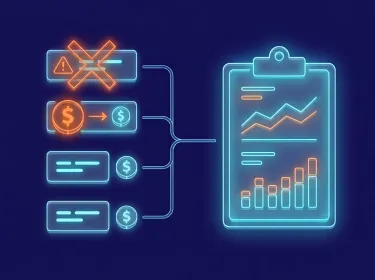
GroupBWT proposes acceptance checks that can include schema comparison, row-level or count-based reconciliation, selected column values, configured business aggregates, and separate end-to-end checks of priority BI outputs. The client approves the final criteria and reviews the reconciliation evidence before release.
How do you plan a parallel run and minimize downtime?
We plan migration waves around business-critical workloads. If the architecture supports parallel operation, the legacy environment remains available while teams validate the replacement. We reconnect and test priority reports before users switch when report migration is part of the work. When a parallel run is impractical, the release plan states the interruption, sequence, and communication required.
How do you control cutover and rollback?
The cutover plan sets the release sequence, assigns owners, defines acceptance gates, and records any freeze window or rollback criteria. When the architecture allows it, we keep a recovery path to the source environment until the checks pass and workload owners approve the transition.
What affects the timeline, staffing, and input required from our team?
The timeline depends on source count, workload complexity, undocumented logic, data volume, reporting dependencies, access readiness, and validation scope. Staffing follows the approved migration waves. Your team provides access, confirms business rules, identifies priority outputs, and assigns owners who can approve reconciliation and cutover decisions.
Who owns stabilization and post-release operations?
Before handover, the GroupBWT support plan states what stabilization covers, how long it lasts, who handles escalations, and whether platform or cost reviews will continue.


How can we help you?