Client Story
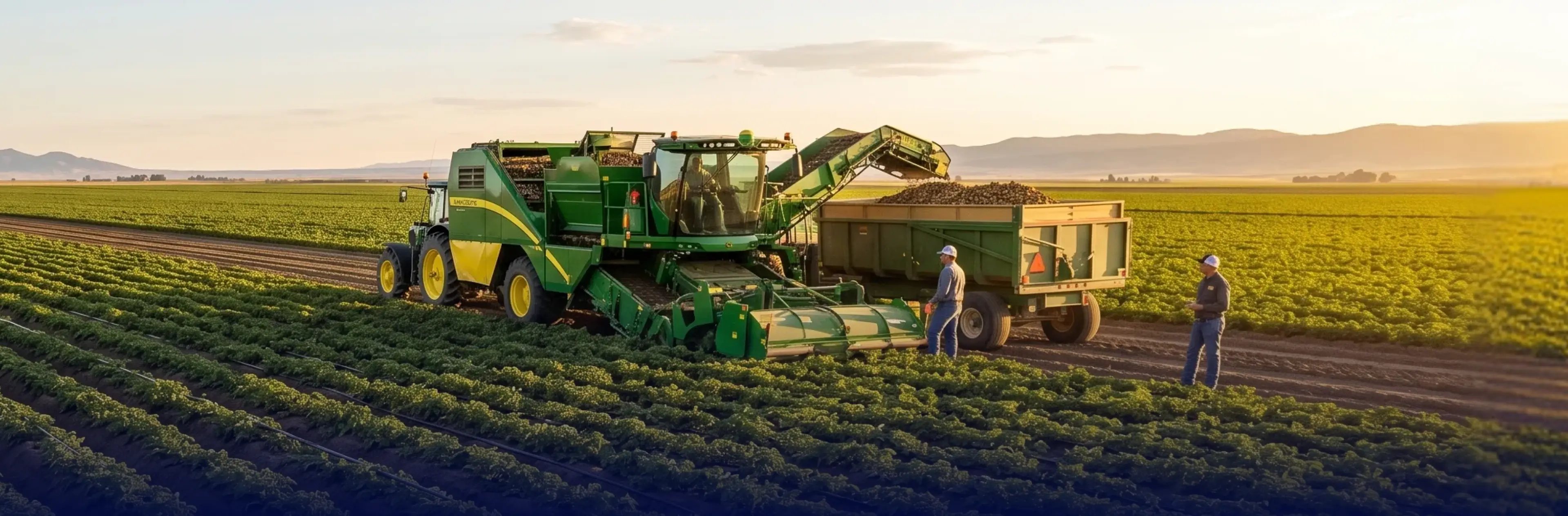
One of the largest potato growers in the United States, this producer operates 15+ farm locations across 10 states. The data operation spans field sensors, GPS telemetry, satellite and crop scouting imagery, moisture probes, irrigation controls, weather feeds, optical sorters, and a transportation and order management platform. Every one of those systems fed into a central SQL Server warehouse — the operational backbone of the business.
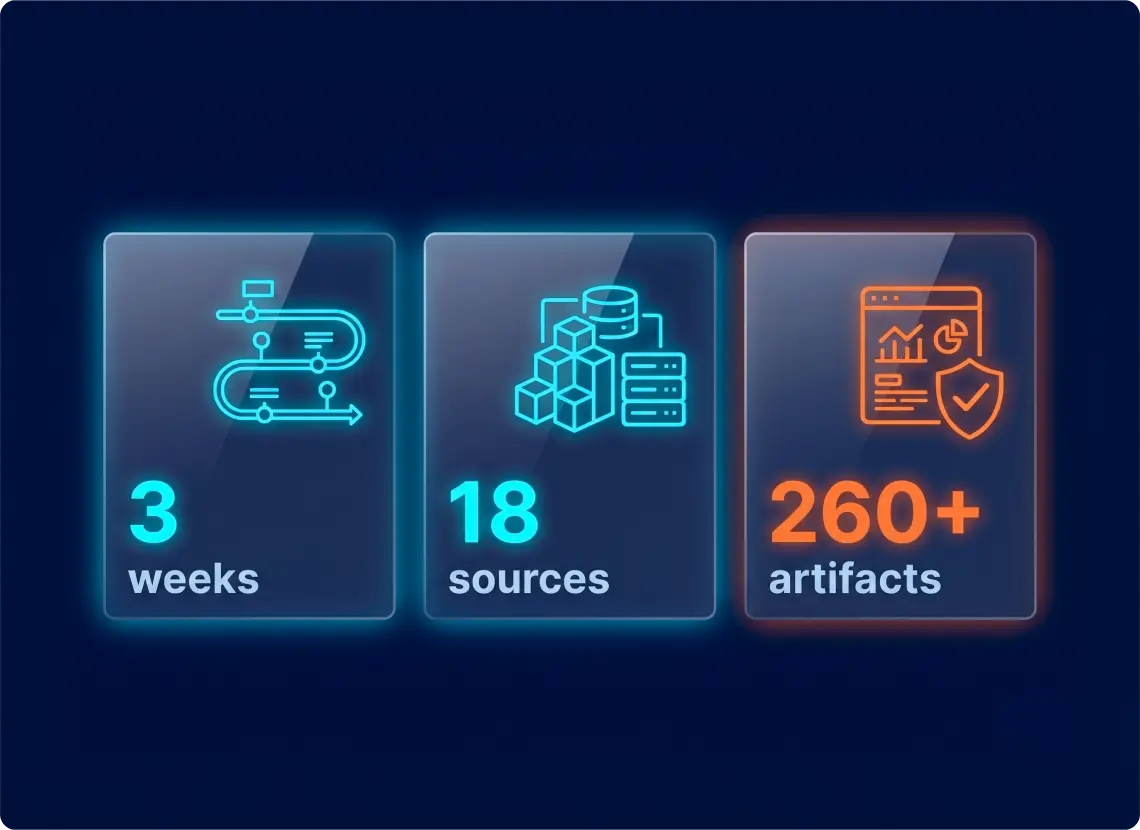
With 18 data sources and no safe path forward after their most experienced SQL engineer gave two weeks’ notice, the company needed a full discovery: an SDD, a Medallion architecture design, a data quality framework, and a phased migration roadmap with per-source hour estimates.
| Industry: | Agriculture |
|---|---|
| Year: | 2026 |
| Location: | USA |
Read summarized version with


"I'm not going to have the resources I need. Losing my main person. That's one of the biggest things — filling that gap." — IT Director, US Agricultural Producer
"A lot of it's in the details — and those documents we went back and forth on helped a lot. The process gave me a much clearer picture of what we actually have and where we're going." — IT Director, US Agricultural Producer
Twelve Years of Organic Growth — and the One Engineer Who Understood It Left
About twelve years ago, the company began consolidating operational data into a Microsoft SQL Server repository — source by source, assembled through scripts and scheduled jobs by people without formal data engineering training. No architecture document, no transformation standards. It worked well enough, but understanding it required knowing where to look. That knowledge lived in one person.
When that engineer announced he was leaving with two weeks’ notice, a planned Databricks modernization became an immediate operational risk: the remaining team would face a system they couldn’t safely navigate, let alone migrate.
The data quality problem added urgency. Exception reports arrived by email — catching errors only after they had already propagated into Power BI. Farm managers reviewing harvest schedules, logistics forecasts, and production line outputs had no way of knowing whether the numbers in front of them had already been flagged upstream.
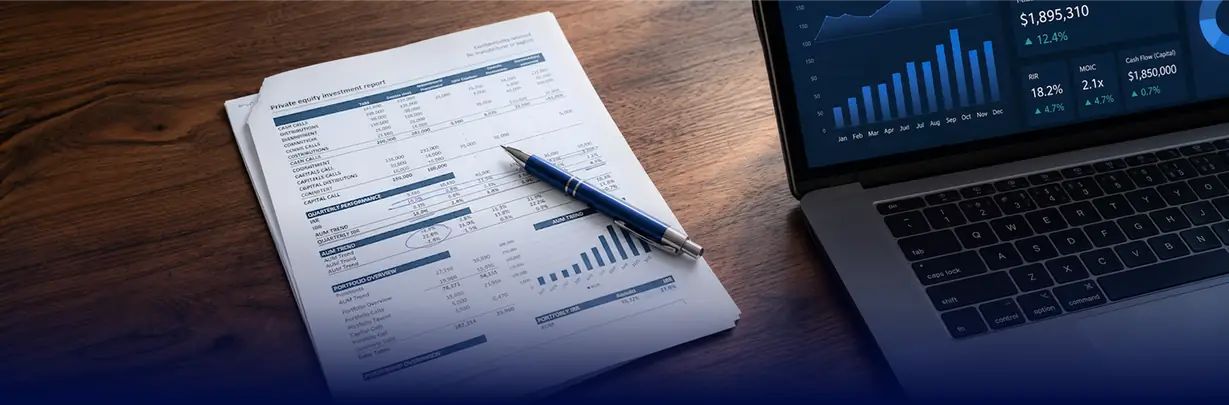
The company also had over 260 Power BI artifacts — active dashboards alongside legacy reports no one had touched in years. Moving to Databricks meant deciding which to carry forward, which to retire, and how to reconnect reporting without disrupting end users.
A Structured Discovery Designed to Produce a Blueprint, Not Just a Plan
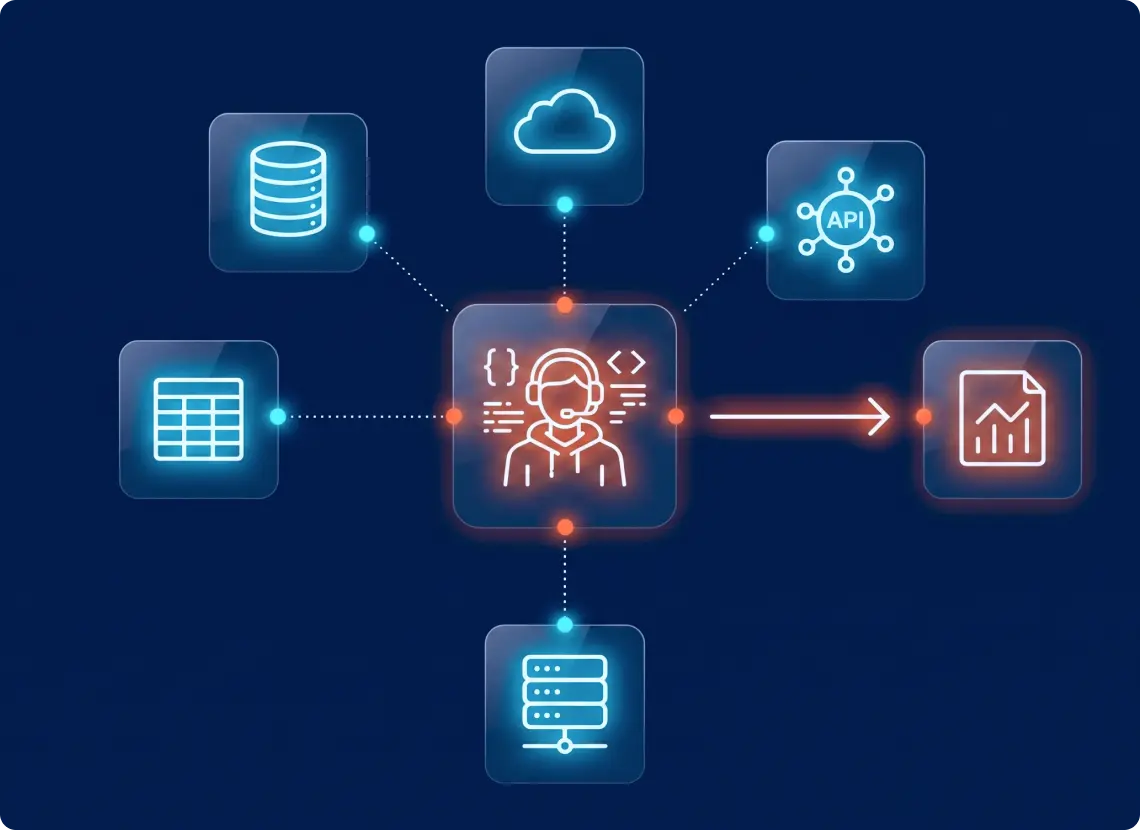
Discovery and Data Source Mapping. GroupBWT began with the client’s data source list, then validated and expanded it through source-by-source sessions. Each system — from GPS telemetry and crop scouting to FusionWare (the largest dataset: transportation and order management, connected via Fivetran CDC) and financial platforms — was documented by frequency, format, and downstream usage. Output: an SDD covering all 18 sources in scope before any migration code was written.
Databricks Architecture Design. GroupBWT designed the Medallion architecture: Bronze for raw ingestion, Silver for cleansed and validated records, Gold for analytics-ready datasets feeding Power BI and any future AI initiatives. Transformation standards are defined per layer. Delta Lake — Databricks’ storage format adding versioning and schema enforcement — specified as the foundation across all three.
Data Quality Framework. A validation layer built into the Bronze-to-Silver transformation step catches incomplete records, out-of-range sensor readings, and referential integrity failures — logged, flagged, or dropped — before any record reaches the reporting layer.
Power BI Transition and Delivery. Reports assessed for active use, grouped by shared data model, and mapped to Databricks SQL endpoints in place of the legacy SQL Server — enabling parallel-stream migration with no full cutover. All discovery artifacts — SDD, source mapping, architecture, and phased roadmap — belong to the client permanently, executable by any team.
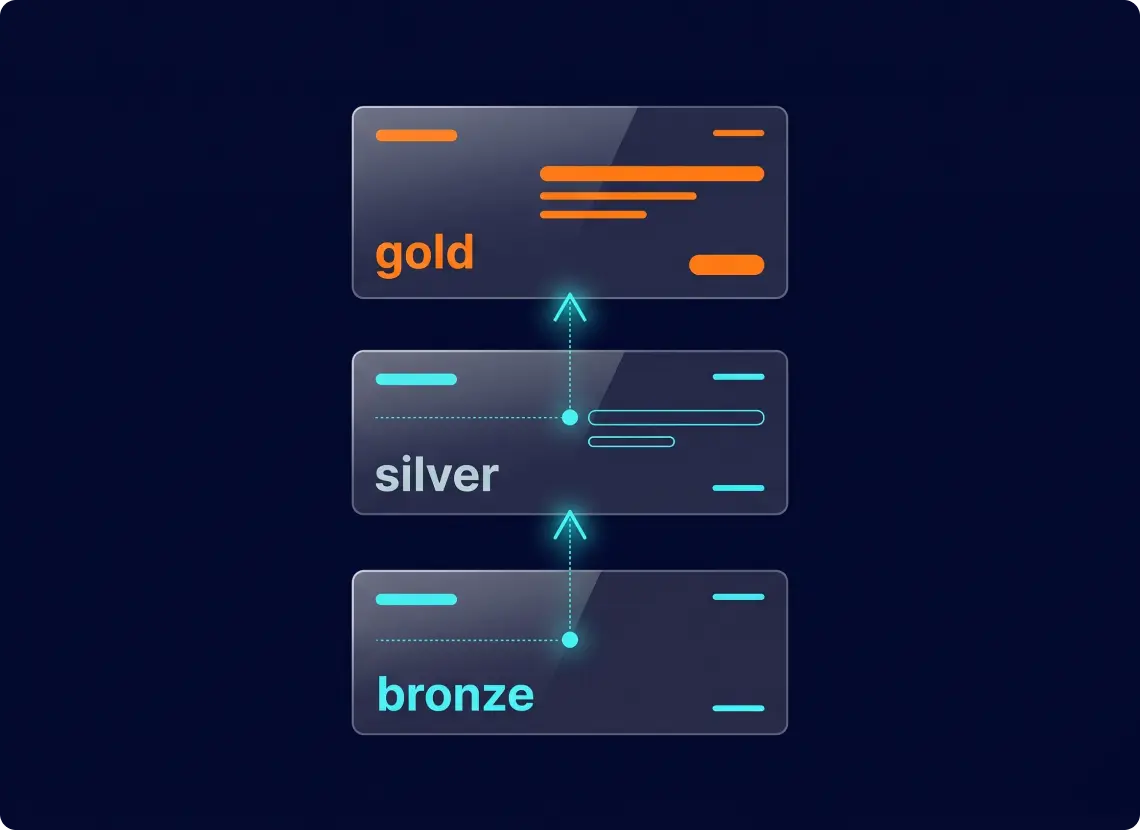
A 12-year SQL Server black box. Our discovery went source by source — extracting hidden business logic using a structured SDD approach — before a single line of migration code was written.

A Complete Databricks Migration Roadmap Ready to Execute
Full SDD delivered — source-by-source documentation across all 18 data systems, Bronze→Silver→Gold transformation standards, and data quality process definitions the client’s team can maintain and extend.
Transparent phased roadmap — three migration phases with per-source hour estimates and a parallel execution model enabling GroupBWT and the client’s team to work on separate data models simultaneously.
Power BI audit completed — 260+ artifacts reviewed, 155 confirmed in scope, the rest flagged for retirement. Reports grouped by data model for parallel-stream migration.
Data quality framework scoped — proactive validation at the Bronze-to-Silver step, replacing reactive exception emails before migration execution begins.
Scope expanded mid-engagement — the client added a financial ERP system during discovery. Final scope: 18 sources across three migration phases with full per-source estimates.
Running a Warehouse Built on Years of Scripts?
If migration feels too risky without a clear picture of what you have, we can help. GroupBWT's discovery engagements produce the documentation, architecture, and roadmap that make migration executable, not just planned.


You have an idea?
We handle all the rest.
How can we help you?