Big Data Consulting Services
The fit or target architecture is still unclear. Feasibility, target direction, and a roadmap for the next approved phase are the outputs of this route.


We build stable, governed pipelines from sources that do not connect. These big data services give daily analytics reliable data and prepare it for AI adoption.



A conventional relational database or a monolithic warehouse has practical workload limits. That practical limit is where Big Data engineering becomes justified. At the start of big data services, review the condition of sources and their processing behavior. Set recovery needs and governance requirements, and establish operating ownership, before proposing distributed architecture.
Volume Exceeds the Current System's Capacity
The current database’s analytical queries are slow or fail at terabyte or petabyte volumes. Volume is not the whole test. The signal is growth that makes an agreed reporting or processing window impossible to meet.
Process Events as They Arrive
The nightly batch is too late for some operating decisions. An order event or device reading, like a fraud signal, may need an alert in milliseconds or seconds rather than later. If an overnight update cannot support the operating decision, a streaming or distributed design may fit.
Formats No Longer Fit One Relational Model
The same environment must bring together structured tables and JavaScript Object Notation logs with media, application programming interfaces, and text from multiple systems. Make records usable across sources without losing their meaning or the identity of their owner.
Pipelines Fail at Scale
The extract, transform, and load scripts in use take hours, need frequent manual attention, and fail as demand increases. Big data development services can replace fragile jobs with orchestration and monitoring, including recovery designed around the agreed workload.
Records AI Can Use Reliably
Records that are incomplete, erroneous, or unlabeled can quickly break both AI training and retrieval. Engineering makes those inputs repeatable. Readiness still depends on approved definitions, access rules, and evaluation criteria.
Compute and Storage Costs Cannot Follow Demand
Cloud bills keep increasing because compute and storage cannot be scaled independently for changing workloads. The architecture decision considers query concurrency, retention, peak processing, and the controls needed to attribute consumption to the work that caused it.
Where does the program stand today? Use these big data software development services to separate decisions from building and release confidence, without repeating the detailed delivery methods on each child page.
The fit or target architecture is still unclear. Feasibility, target direction, and a roadmap for the next approved phase are the outputs of this route.
This route starts after architecture approval, when the system is ready to be built. Implementation takes this route to a deployed system and agreed transfer of operating ownership.

Release has to wait while data, resilience, security, or scale remains in doubt. Acceptance evidence from this route supports the release decision.


Use Big Data design for work that simpler warehouse or pipeline improvements cannot support. Consulting sets the direction. Implementation builds what is approved; Testing supplies release evidence. The architecture call identifies which route should start first.
Related Data Engineering Services
Keep raw files alongside live streams in the lake, with the context needed to govern both.
Structured history in the cloud warehouse supports repeated business queries.
Before records reach analytical storage from operating tools, clean and enrich them.
Named owners control access. Those same rules apply to personal data and lineage. Quality checks are covered too.
Market analysis and price monitoring need consistent records; bring external and unstructured inputs into that format before those or similar uses.
Records need preparation before reports, models, and dashboards can use them. Access is assigned by role.









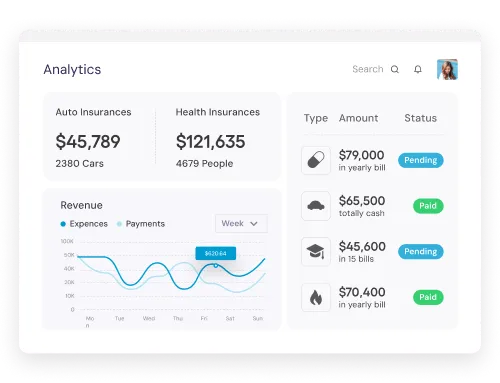
Policy changes and claims may arrive from separate systems on different schedules. Our big data service can bring them into a shared history with agreed definitions, so reporting follows the same policy through renewals and claims.
The commercial scope follows the workload and the lifecycle route. Big data solution services use these parent-level drivers without applying the Implementation page’s build ranges.
Source count, condition, access limits, and format variability determine how much assessment and integration work is required.
How much storage, processing, and validation work is needed depends on historical migration and backfill, along with batch and streaming requirements.
Scope the engineering work needed to apply the business rules, enrichment, joins, and reconciliation involved. Cover them in both engineering scope and acceptance checks.
Access boundaries and sensitive data affect architecture and review effort. Also account for lineage and dependencies on the legal or security decisions.
The continuity work needs to meet the recovery objectives. The development, test, and production environments required also shape release scope.
After delivery, acceptance depth and expected monitoring determine remaining work together with knowledge transfer and the agreed support.

Our big data solution services account for source changes, outages, and unreliable records before release. Implementation supplies controls, while Testing validates them independently.
GroupBWT brings integration, analytical preparation, and production operations into its big data services. The three examples show different parts of that work; they do not make one project proof of every service.
Governed Multi-System Integration
For a healthcare operations platform, GroupBWT connected five functional areas around existing tools and added access, audit, rollback, and synchronization controls. The mechanism shows how fragmented operations can become one governed working system.
Feedback Collected for Analysis
A custom platform for a manufacturer gathered feedback from several external sources. It organized that feedback before sentiment and thematic analysis. Acquisition fed normalization and business use. Delivery did not stop with raw collection.
High-Volume Production Operations
GroupBWT built collection and search workflows for an identity-verification platform over a large production corpus with historical and real-time use. The case demonstrates operating scale, serving latency, and ongoing production use.
What Our Clients Say

What do you like best?
Their deep understanding of our needs and how to craft a solution that provides more opportunities for managing our data. Their data solution, enhanced with AI features, allows us to easily manage diverse data sources and quickly get actionable insights from data.
What do you dislike?
It took some time to align the a multi-source data scraping platform functionality with our specific workflows. But we quickly adapted and the final result fully met our requirements.

What do you like best?
It was incredible how they could build precisely what we wanted. They were genuine experts in data scraping; project management was also great, and each phase of the project was on time, with quick feedback.
What do you dislike?
We have no comments on the work performed.

What do you like best?
GroupBWT is the preferred choice for competitive intelligence through complex data extraction. Their approach, technical skills, and customization options make them valuable partners. Nevertheless, be prepared to invest time in initial solution development.
What do you dislike?
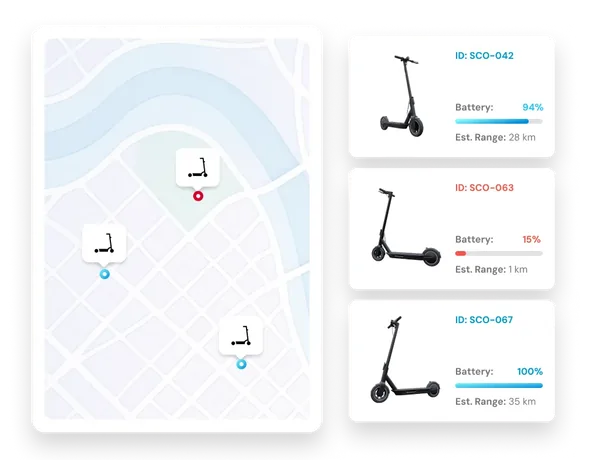
GroupBWT provided us with a solution to collect real-time data on competitor micro-mobility services so we could monitor vehicle availability and locations. This data has given us a clear view of the market in specific areas, allowing us to refine our operational strategy and stay competitive.

What do you like best?
The company's dedication to understanding our needs for collecting competitor data was exemplary. Their methodology for extracting complex data sets was methodical and precise. What impressed me most was their adaptability and collaboration with our team, ensuring the data was relevant and actionable for our market analysis.
What do you dislike?
Finding a downside is challenging, as they consistently met our expectations and provided timely updates. If anything, I would have appreciated an even more detailed roadmap at the project's outset. However, this didn't hamper our overall experience.

What do you like best?
GroupBWT excels at providing tailored data scraping solutions perfectly suited to our specific needs for competitor analysis and market research.
What do you dislike?
Given the complexity and customization of our project, we later decided that we needed a few additional sources after the project had started.
What do you like best?
What we liked most was how GroupBWT created a flexible system that efficiently handles large amounts of data. Their innovative technology and expertise helped us quickly understand market trends and make smarter decisions.
What do you dislike?
The entire process was easy and fast, so there were no downsides.
What do you like best?
Their deep understanding of our needs and how to craft a solution that provides more opportunities for managing our data. Their data solution, enhanced with AI features, allows us to easily manage diverse data sources and quickly get actionable insights from data.
What do you dislike?
It took some time to align the a multi-source data scraping platform functionality with our specific workflows. But we quickly adapted and the final result fully met our requirements.
What do you like best?
It was incredible how they could build precisely what we wanted. They were genuine experts in data scraping; project management was also great, and each phase of the project was on time, with quick feedback.
What do you dislike?
We have no comments on the work performed.
What do you like best?
GroupBWT is the preferred choice for competitive intelligence through complex data extraction. Their approach, technical skills, and customization options make them valuable partners. Nevertheless, be prepared to invest time in initial solution development.
What do you dislike?
GroupBWT provided us with a solution to collect real-time data on competitor micro-mobility services so we could monitor vehicle availability and locations. This data has given us a clear view of the market in specific areas, allowing us to refine our operational strategy and stay competitive.
What do you like best?
The company's dedication to understanding our needs for collecting competitor data was exemplary. Their methodology for extracting complex data sets was methodical and precise. What impressed me most was their adaptability and collaboration with our team, ensuring the data was relevant and actionable for our market analysis.
What do you dislike?
Finding a downside is challenging, as they consistently met our expectations and provided timely updates. If anything, I would have appreciated an even more detailed roadmap at the project's outset. However, this didn't hamper our overall experience.
What do you like best?
GroupBWT excels at providing tailored data scraping solutions perfectly suited to our specific needs for competitor analysis and market research.
What do you dislike?
Given the complexity and customization of our project, we later decided that we needed a few additional sources after the project had started.
What do you like best?
What we liked most was how GroupBWT created a flexible system that efficiently handles large amounts of data. Their innovative technology and expertise helped us quickly understand market trends and make smarter decisions.
What do you dislike?
The entire process was easy and fast, so there were no downsides.




What can the engineering work cover?
The package may include architecture planning, pipeline or storage engineering, integration, governance controls, testing, monitoring, and agreed support after release. We scope the package around your operating problem, starting point, and the responsibilities your team intends to retain. Include what the approved workload needs. Do not add distributed technology as a default. For deeper support at each lifecycle phase, consulting, implementation, and testing have specialist routes.
Does my organization need big data?
Look for the operating symptoms. A distributed approach may fit repeated peak-load failures, processing windows the system misses, source formats that no longer fit one model, or unreliable data blocking AI work. Moderate volumes and a few structured sources that work well in a conventional warehouse may only need improvements to queries and models. Check those conditions before recommending more extensive architecture.
How long will the big data project take?
Schedule the work against source numbers and condition, historical volume, transformations, processing mode, security requirements, environments, and acceptance. A warehouse improvement follows a different timeline from a streaming-platform build or a migration involving several systems. Review access to the sources and representative data before planning begins. Check third-party dependencies, client review availability, and acceptance evidence too. Put dates to the workload only after defining its scope. A generic delivery promise is not appropriate.
What determines the project cost?
Cost changes with source count and quality, batch or streaming, and historical backfill. Transformations, retention, recovery objectives, governance, and expected support also affect it. Query concurrency and availability targets affect infrastructure and engineering work. So do deployment environments and the complexity of final analytics. The build is charged once. The costs that continue afterwards are platform consumption, third-party services, and support. Show which factors drive cost. Do not promise to eliminate every consumption spike or external charge.
How do I choose a big data services provider?
A suitable team defines acceptance evidence before release and operating ownership, and can explain when a simpler warehouse improvement is enough. The architecture from a big data services company needs to follow the workload instead of a tool preference. GroupBWT handles planning, engineering, and validation within agreed source, security, and support boundaries. Ask about operating ownership and acceptance, and what you pay for delivery once versus platform costs that continue. Use the initial architecture call to identify the first decision and the information required to scope what follows.


How can we help you?

We’ll review your goals and suggest the right solution — technical, scalable, and tailored to you.
What do you need extracted, structured, or automated?