
Read summarized version with


Introduction
We run the same discovery call about once a week now. A team signed with an extraction vendor two years ago. Three sources worked perfectly. They added five more. Still fine. Then they crossed the ten-source threshold, and the whole operation started bleeding engineering hours. Maintenance ate half their team’s bandwidth. When they asked the vendor about one broken extraction, the quote came back at forty thousand dollars and a six-week timeline.
The vendor had built templates. Templates work until the sources stop looking alike.
Market Research Future values the global data extraction market — spanning web, document, database, and API sources — at $6.16 billion in 2025, headed for nearly $28.5 billion by 2035. Within that broader category, web scraping alone is a smaller but fast-moving segment: Mordor Intelligence reports that 65% of enterprises already use it to feed ML pipelines. The market growth is real, but it exposes architectural gaps fast when a system was never designed for more than a handful of stable sources.
This is our list of best web data extraction companies worth evaluating in 2026. Eight providers. Four delivery models. Honest trade-offs for each, including ours.
For the full company-by-company breakdown with pipeline examples and engagement profiles, read our comparison guide.
Data Engineering: From Raw Web to Data Product
We develop and manage custom data solutions, powered by proven experts, to ensure the fastest delivery of structured data from sources of any size and complexity.
We offer:
- Custom Web Scraping & Development
- 15+ Years of Engineering Expertise
- AI-Driven Data Processing & Enrichment
Why Choosing an Extraction Partner Got Harder
Two years ago, the main question was whether a vendor could connect to your sources and return structured data. That was a reasonable bar. What changed is what sits downstream of the extraction layer now.
Technavio projects the AI-driven web scraping segment will add $3.16 billion between 2024 and 2029. That growth reflects something specific: extraction output increasingly feeds ML training sets, pricing engines, and autonomous decision systems that cannot tolerate dirty inputs. When the data going in is wrong, every model built on top of it produces confident answers that happen to be false.
Gartner estimates poor data quality costs organizations $12.9 million per year on average. That number existed before agentic AI workflows started multiplying the downstream consequences of a single bad data point. Web data extraction companies that built quality validation into their pipelines from the beginning have a structural advantage right now. The ones bolting it on later are charging clients for rework.
Anti-bot defenses made the engineering problem harder in parallel. IP rotation alone stopped being sufficient around 2023. Modern bot detection goes beyond IP checks — it tracks how a visitor’s browser behaves, how they scroll, where they click, and how long they pause between actions. If the pattern looks automated, access gets blocked. A vendor whose entire anti-bot strategy is “we rotate proxies” will hit a wall the first time a source deploys behavioral analysis. Then compliance compounds everything. GDPR and CCPA started it. The EU AI Act now requires documentation of data lineage between collection and the moment it informs a decision. Among data extraction companies in 2026, the ones winning contracts can answer audit questions about consent state and source provenance without scrambling.

How We Evaluated These Eight
Extraction depth came first — can the provider handle simple HTML parsing and also JavaScript-rendered pages with headless browser orchestration, or do they stop at static sources? Vertical experience mattered next, because a case study from your industry tells you more than a capabilities deck ever will. We also weighed delivery models: some build and hand off, others stay embedded after launch, and a few operate as pure platforms. Compliance maturity was another axis — is governance wired into the pipeline architecture, or does it live in a PDF that nobody updates? And finally, whether a firm among the best companies for web data extraction can actually scale its team without diluting the domain expertise that made it worth hiring.
The same eight providers are covered in our engineering comparison. Same companies, different angle. That article gets into pipeline internals. This one is built for the person comparing vendors before budget conversations start.
Also Read: Data Extraction from News Articles: Challenges and Benefits
8 Data Extraction Companies at a Glance
| Company | Best For | Model | Limitation |
| GroupBWT | Complex extraction at scale across regulated and high-volume verticals | Engineering partnership | Weeks to deploy, higher upfront cost |
| Zyte | Technical teams wanting vendor tools | SaaS + services hybrid | Compliance and QA are your responsibility |
| Grepsr | Recurring feeds, moderate complexity | Data-as-a-Service | Not built for heavy anti-bot work |
| ARDEM | Semi-structured documents (invoices, forms) | BPO + automation | No live web extraction capability |
| FlatWorld Solutions | Repeatable, well-defined extraction tasks | BPO service model | No anti-bot engineering depth |
| RecordsForce | Courts, property, government databases | Niche domain | Narrow scope; web extraction not offered |
| WebDataGuru | Defined-scope, quick-turnaround projects | Project-based | No ongoing maintenance or adaptation |
| Damco Group | Vendor consolidation across operations | Portfolio approach | Extraction is not their core focus |
The split across these top data extraction providers tells you something about where the market landed. Half the list either engineers extraction systems from scratch or provides developer infrastructure for teams who want to build their own. The other half runs on labor models, platform delivery, or narrow domain expertise. Where you land depends on whether your extraction problem is an engineering challenge or a volume challenge. Most teams discover they were wrong about that distinction around month four with the wrong vendor.
The Full Data Extraction Companies Breakdown
GroupBWT
We build extraction systems per source — dedicated engineering for each web property, source-specific anti-bot handling, and quality validation that catches drift before it propagates downstream. We stay accountable for pipeline health after launch, including compliance infrastructure with audit trails, lineage tracking, and consent documentation embedded from the first line of code.
Over 15 years and 26 industries, our deepest production engagements span e-commerce (70-plus retailers, seven-plus years), travel (335 million records per month at 99.5% accuracy), legal brand protection (350,000 daily marketplace offers monitored for six years), and telecom (22 million address-level records correcting a €7 billion assessment). Finance, healthcare, insurance, and government round out the portfolio.
Where it fits: Complex extraction across twenty-plus sources in regulated industries where teams lack engineering bandwidth to maintain pipelines. Most of our longest relationships started when a team outgrew its previous vendor.
Where we are slower: Nothing pre-built. Expect weeks of engineering before the first output. A SaaS platform deploys faster for simpler needs.

Zyte
Founded in 2010 as Scrapinghub, Zyte built its business around Scrapy and a developer community of 20,000 engineers. Their infrastructure handles billions of monthly requests across 116 countries with smart browser orchestration, rotating proxies, and anti-CAPTCHA systems. You can test the platform for $5 in credits.
The strength here is real. If your team has engineers who can write and maintain extraction code, Zyte gives them infrastructure that stays out of the way. The trade-off is that compliance architecture, data quality validation, and governance sit on your side of the fence. You are using their plumbing. What you build on top of it is your problem.
Grepsr
Grepsr processes 600 million records daily from 10,000-plus web sources and claims 99% data reliability. The model is straightforward. You define what data you need, from which sources, and at what frequency. Grepsr handles extraction, monitoring, and delivery. Their client roster includes BCG, Pearson, Rightmove, and Roku. Those names validate that the volumes are real.
Their platform includes data-as-a-service products, a web scraping API, a no-code extraction tool called Pline, and synthetic data generation. Works well for recurring extraction needs where source complexity stays moderate, and compliance requirements fit within standard practices. When sources start deploying aggressive anti-bot measures or your regulatory exposure tightens, the DaaS model shows its limits.
ARDEM
ARDEM specializes in extracting data from semi-structured documents. Invoices, forms, contracts, and similar paperwork. Their approach combines AI-based recognition with human verification, which makes them a strong fit when accuracy on document processing matters more than extraction speed from live web sources.
Not built for dynamic web extraction with anti-bot challenges. If your problem is documents, ARDEM delivers. If your problem is websites, look elsewhere.
FlatWorld Solutions
BPO-style extraction with a focus on healthcare, finance, and retail verticals. FlatWorld handles high-volume, well-defined tasks efficiently. Product catalogs, pricing feeds, and structured datasets where the specification does not change between runs. For repeatable work with clear parameters, the operational throughput is solid. Ask them to handle a source that just deployed Cloudflare’s bot management, and you will need a different vendor.
RecordsForce
Courts, property registries, government databases. RecordsForce occupies a narrow niche and owns it. Legal research, property data, and regulatory filings — they bring domain expertise that generalist extraction vendors cannot match in that specific territory. Outside public records, their capabilities do not extend to broader web extraction.
WebDataGuru
E-commerce and market research extraction on a project basis. Competitor price monitoring, product catalog pulls, and defined-scope tasks with a quick turnaround. WebDataGuru delivers the job and moves on. No ongoing maintenance, no adaptation when sources change. For teams that need a one-time extraction without a long-term relationship, that model works. For anything that needs to keep running after the initial delivery, it does not.
Damco Group
Data extraction as one line item inside a larger IT outsourcing portfolio. If you already work with Damco on other technology operations and want to consolidate vendors, their extraction capabilities can slot into that relationship. The limitation is predictable: extraction is not their specialty, so the depth of anti-bot engineering and compliance infrastructure that dedicated providers deliver is not part of the package.
Three Delivery Models Worth Understanding
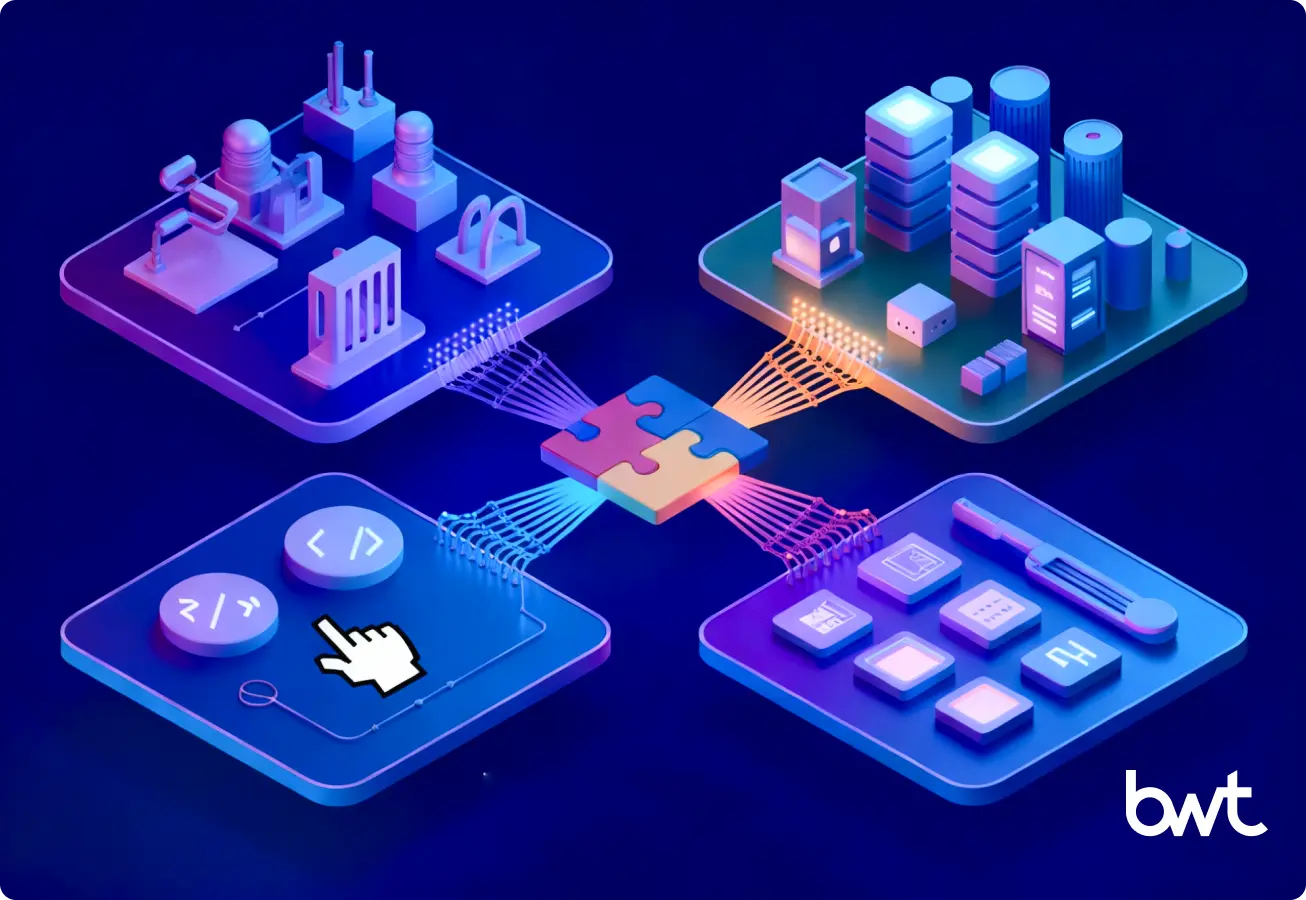
Custom engineering is the model GroupBWT operates, with Zyte covering adjacent territory through developer infrastructure. The architecture belongs to the client. Engineers stay embedded through source changes and anti-bot escalations. It takes longer to deploy and costs more upfront, but Mordor Intelligence puts the web scraping segment specifically at $1.03 billion in 2025, headed for $2.23 billion by 2031, with the services segment growing fastest. That service growth goes to firms that built extraction infrastructure that survives year two. Rebuilding is always more expensive than building the first time correctly.
Data-as-a-Service and SaaS platforms occupy the middle ground. Grepsr is the clearest example. You define what you need, and they extract it. The platform handles monitoring and delivery. You trade architectural control for speed, and for moderate-complexity sources, that trade works. Among leading web data extraction providers, this model captures the largest volume of engagements because it requires the least commitment from the buyer.
Then there are BPO and project-based vendors. ARDEM, FlatWorld, WebDataGuru, and Damco. Labor models where the engagement ends when the deliverable ships. RecordsForce sits adjacent as a niche specialist with single-domain expertise that no generalist can match, but also no capability outside that domain.
| Factor | Custom Engineering | DaaS / SaaS | BPO / Project | Niche Specialist |
| Extraction depth | Full-stack: static through JS-rendered | Platform-dependent | Task-defined | Domain-specific |
| Deploy speed | Weeks (build from scratch) | Days to weeks | Days to weeks | Days |
| Anti-bot maturity | Per-source engineering | Platform-level | Minimal | Domain-dependent |
| Compliance | Embedded at the architecture level | Configuration required | Varies | Domain-specific |
| Ownership | Your infrastructure | Provider’s platform | Deliverable handoff | Provider’s expertise |
| Best when | Building for scale or rebuilding | Recurring moderate-complexity feeds | One-time defined tasks | Single-domain problems |
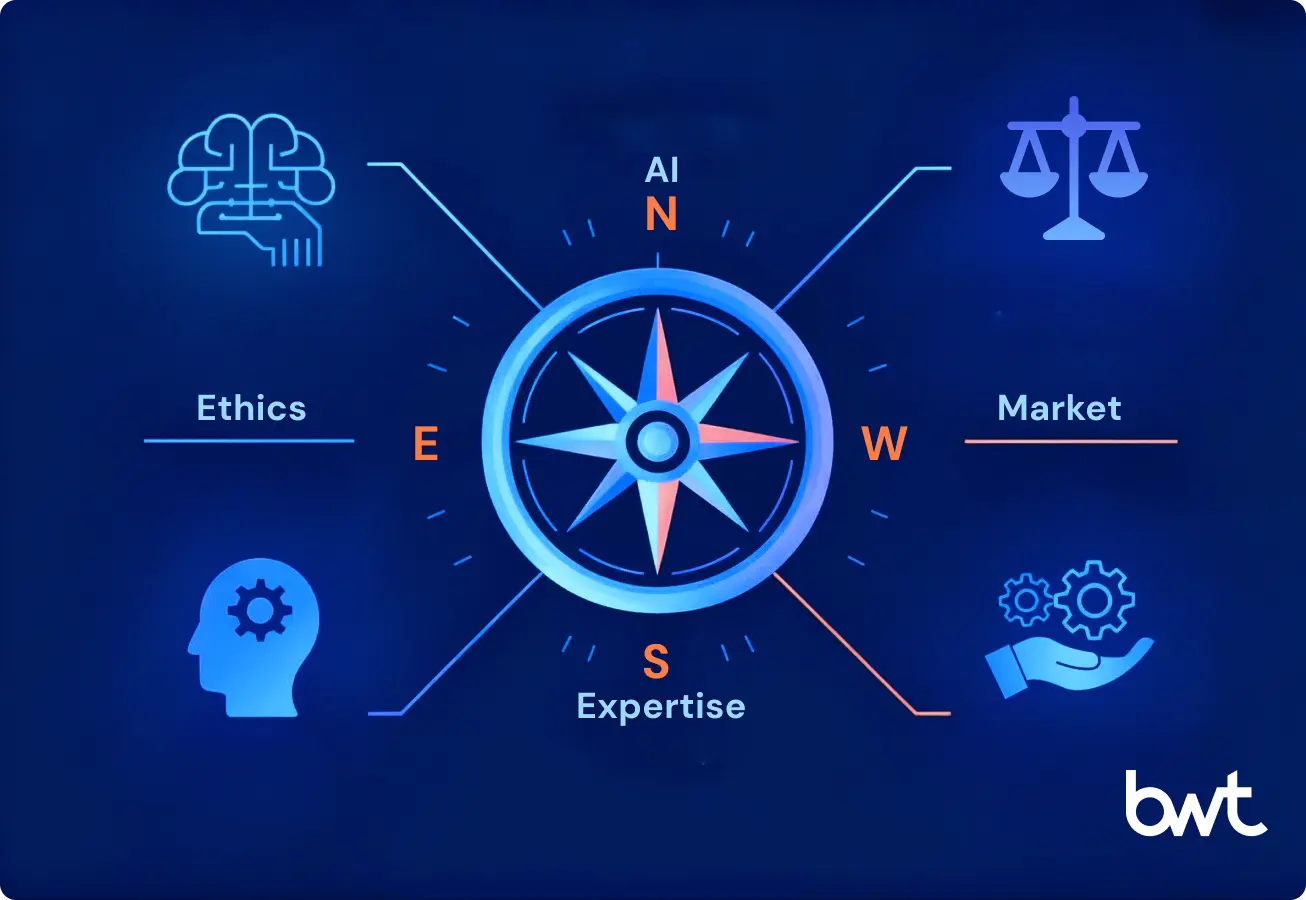
Picking the Right Extraction Partner
Two questions settle this faster than any vendor comparison matrix.
First: what does your extraction problem actually look like? Ten sources with consistent HTML structure and no anti-bot defenses are a different problem than forty sources across five countries with JavaScript rendering, behavioral bot detection, and EU AI Act documentation requirements. The first problem is a platform purchase. The second is an engineering engagement. Most teams underestimate which category they fall into because the first six months of extraction always feel easier than the next six.
Second: Who on your team can maintain whatever gets built? If the answer is nobody, you need a partner who stays after deployment, and that eliminates every project-based and BPO vendor on this list. Best web data extraction companies for long-term engagements are the ones that treat source changes and compliance shifts as expected operational events, not as new project scopes that require fresh contracts.
The best data extraction providers on this list each earned their position by being strong at one thing. Hire any of them expecting coverage across all four delivery models, and you will spend the next year managing the gap.
We do free extraction assessments. If you already suspect your data pipeline will buckle under the next round of anti-bot escalation or the compliance audit your legal team has been warning about, talk to our engineers to find out where you stand.
They take raw data from websites, APIs, documents, and databases and turn it into structured outputs your team can act on. Some engagements stop at scheduled data pulls from a handful of stable sources. Others go deeper into real-time extraction with anti-bot engineering, quality validation at every stage, and compliance documentation that satisfies regulators. The real separation between is it best companies for web data extraction shows up about a year after deployment, when sources change their page structure, anti-bot defenses escalate, and the architecture either handles it or cracks. Among the best data extraction services providers 2026, the ones worth keeping planned for that year-two moment before year one finished.
Three to five stable, well-structured sources through a SaaS platform will run $500 to $2,000 per month. Project-based BPO engagements for a similar scope land between $1,500 and $3,000. Once you move into complex extraction from twenty-plus sources with anti-bot handling and compliance infrastructure, budget $5,000 to $15,000 monthly for managed services. Engineering partnerships that build and maintain custom extraction architecture — the model we operate — typically start at $20,000 to $50,000 for initial builds, with ongoing service fees scaling by scope and source count.
Scrapy, Octoparse, Bright Data — platforms. They store, route, and process data. But a platform does not design the architecture connecting your actual sources to that data, enforce quality checks at every pipeline stage, or verify that the extraction output answers the question your CFO is actually asking. That gap is what service companies fill. Everyone on this list is a service company or operates a hybrid model. You need both the platform and the architecture working together. Teams that buy the platform and skip the architecture spend the first six months feeling productive, then watch data quality problems compound until nobody can explain why the numbers stopped matching.
Keep it internal when extraction is a core product differentiator, and your team has dedicated engineering capacity to maintain it. Outsource when the extraction is infrastructure that supports your business rather than being your business itself. The total cost of ownership calculation typically favors outsourcing once source counts exceed fifteen to twenty, anti-bot requirements get serious, and compliance documentation demands start consuming engineering hours that should go toward product development.
The range is wide. At one end, vendors rotate IP addresses and call it a day. That works against basic rate limiting and nothing else. More capable providers disguise the scraper so it looks like a regular person browsing — matching the characteristics of a real browser, a real device, a real session. Above that, behavioral simulation mimics actual browsing: mouse movements, scroll speed, click timing, and session duration. The best extraction engineers treat anti-bot handling as a per-source discipline because every website deploys different detection stacks. A rotation strategy that passes one source will fail on the next. Ask your vendor how they handle behavioral detection specifically. The answer tells you whether they have built real engineering depth around extraction or optimized a template.
Read summarized version with
Data Engineering: From Raw Web to Data Product
We develop and manage custom data solutions, powered by proven experts, to ensure the fastest delivery of structured data from sources of any size and complexity.
We offer:
- Custom Web Scraping & Development
- 15+ Years of Engineering Expertise
- AI-Driven Data Processing & Enrichment